
The GAIM 2026 Women
Every year, Girls’ Adventures in Math spotlights four women who have moved barriers and inspired us to aim high. For GAIM 2026, meet Maria Agnesi, Cecilia Grierson, Esther Martinez, and Saimdang Shin! Our competition problems will be based on the lives of these women.
Maria agnesi, mathematician
Born: 1718
Died: 1799
Birthplace: Milan, Italy
Newton and Leibniz may be credited with discovering calculus independently, but I was first to put their ideas together in one textbook which was used not only in Italy but also Cambridge and Paris. It shaped math education for many generations!

cecilia grierson, physician
Born: 1859
Died: 1934
Birthplace: Buenos Aires, Argentina
I was Argentina’s first woman physician, and created Latin America’s first nursing school! My concern for children with disabilities prompted me to promote the teaching of Braille in schools.
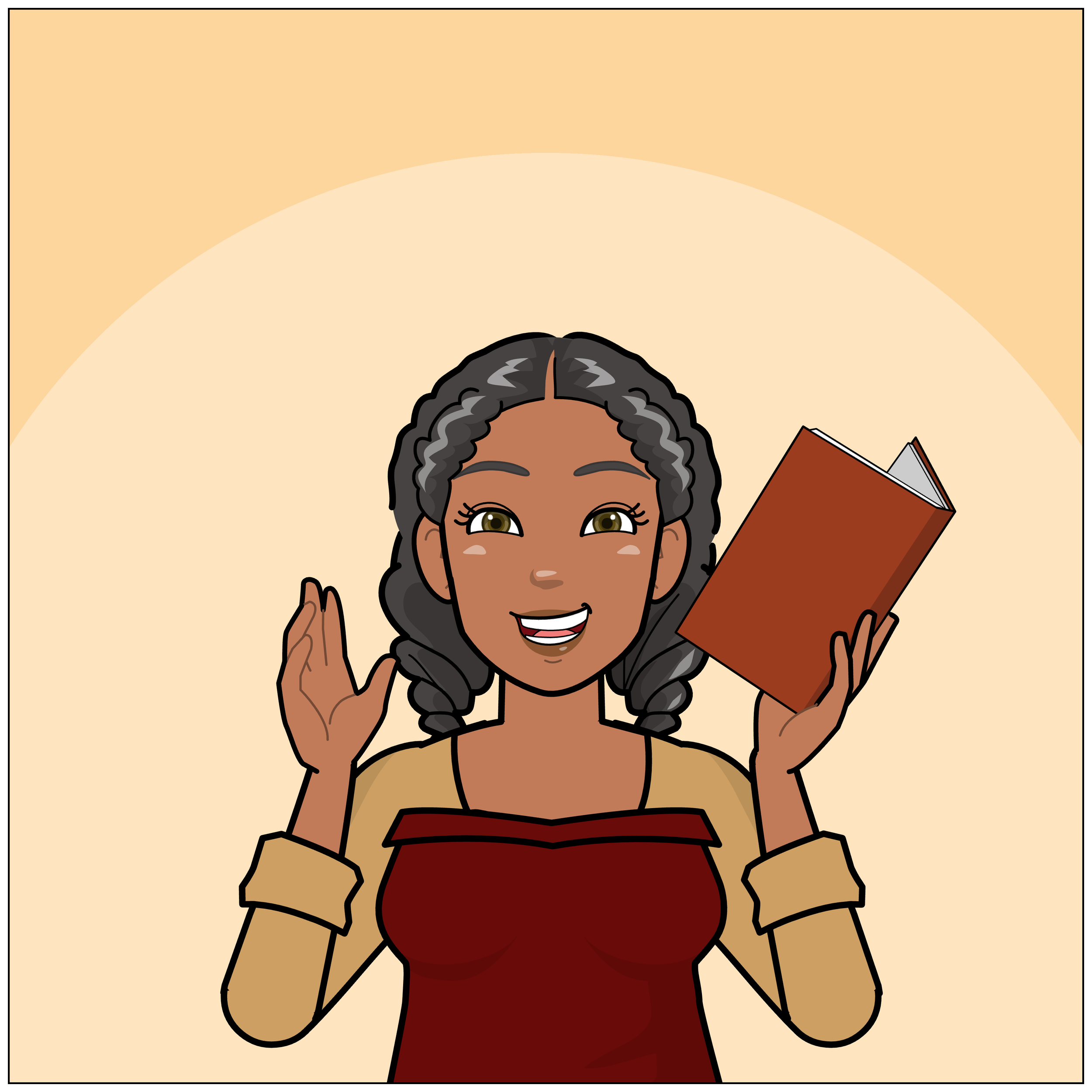
esther martinez, linguist and teacher
Born: 1912
Died: 2006
Birthplace: Ignacio, Colorado, United States
Haash yaa at eeh! I greet you in the Tewa language of my ancestors, a Native American language that I spent my life working to preserve. I showed the US government how important it is to preserve Native culture!
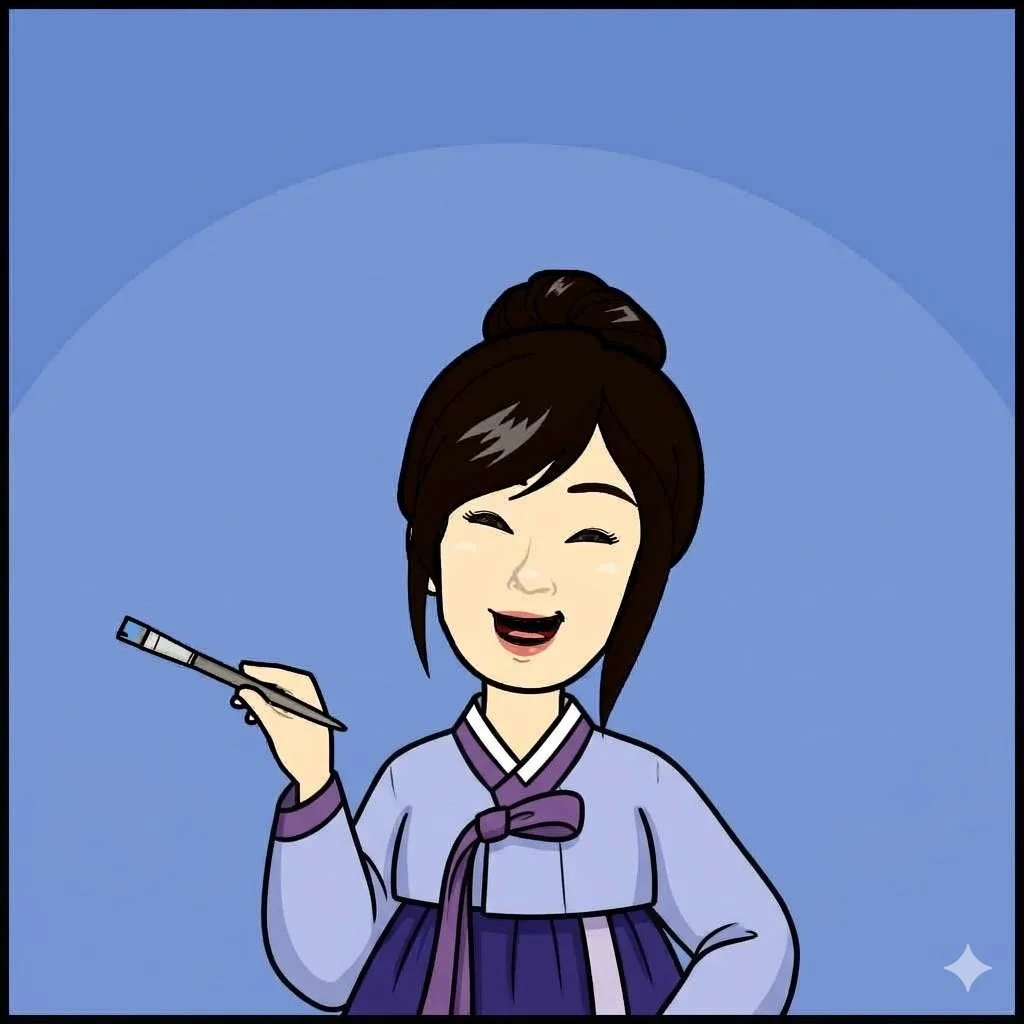
saimdang shin, painter and poet
Born: 1504
Died: 1551
Birthplace: Gangneung, South Korea
I created a new painting genre called Chochungdo during the mid-Joseon dynasty in Korea, when women were expected only to be good wives and mothers. I was a model of those values, but also made my mark on art!
Learn the stories of the GAIM 2026 Women below!
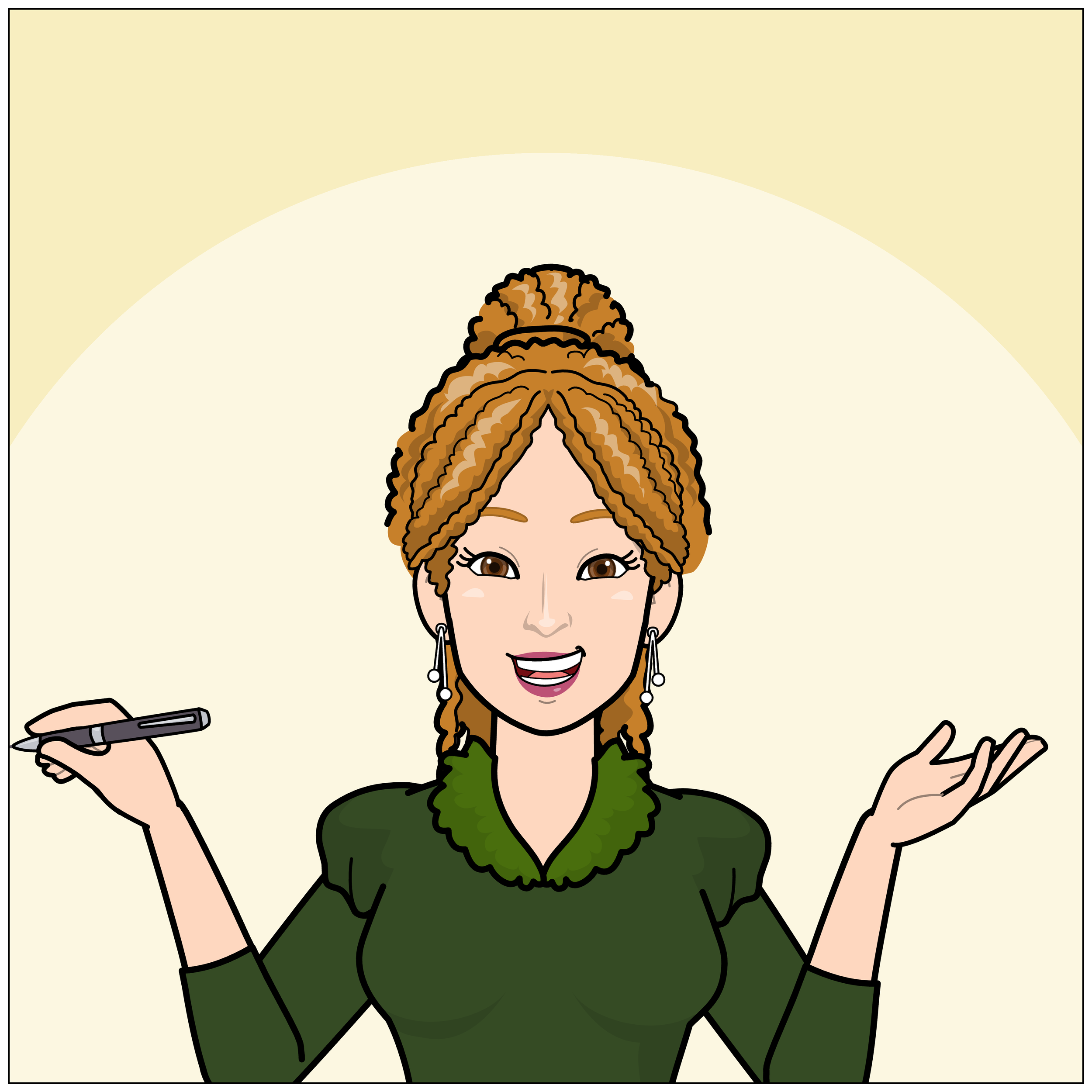
Buongiorno! I’m Maria Agnesi!
Born: 1718
Died: 1799
Birthplace: Milan, Italy
Newton and Leibniz may be credited with discovering calculus independently, but I was the first to put their ideas together in one textbook which was used not only in Italy but also Cambridge and Paris. It shaped math education for many generations!
I was the oldest of 21 children born to a wealthy silk merchant who wanted to give me the best education possible. By age 11 I knew seven languages - Italian, Latin, French, Spanish, German, Greek, and Hebrew. My dad invited the leading intellectuals of the day to our house for salons where he would force me to argue with his guests to show off my brilliant mind. These salons stressed me so much I got ill, and threatened to join a convent. My dad backed off. After his second wife died I took over household work, tutored my siblings, and continued to study my favorite subject, math!
In doing this, I saw the need for a math textbook that included all the new math concepts that were being discovered during the Enlightenment, such as calculus. I took it upon myself to write it! In 1748 I published the 2-volume “Basic Principles of Analysis”. It became widely used and praised in Europe. In fact the pope appointed me to the chair of mathematics at the University of Bologna, although I never accepted it.
My most well-known contribution to math was using calculus to create a curve later named the Witch of Agnesi. What’s with the name, you may ask? It was a mistranslation to English by a Cambridge professor - in Italian it is merely called the “curve of Agnesi”. Today it’s used in modeling and statistics.
After my father died I pivoted and devoted the rest of my life to serving the poor, sick, and homeless, in an act of service to God. I believe that it’s important to know much, but also to love much!
Hola! I’m Cecilia Grierson!
Born: 1859
Died: 1934
Birthplace: Buenos Aires, Argentina
I was Argentina’s first woman physician, and created Latin America’s first nursing school!
My mother was a teacher and I followed her into that profession when I was only 14 years old. I thought I’d always be a teacher, especially since future Argentine president Domingo Sarmiento appointed me to a teaching post at the young age of 20. But my best friend Amalia suffered from a chronic illness, and I wanted to try to help her and others in her condition, so I enrolled in medical school in 1882.
In 1886 a cholera epidemic broke out and I was on physician duty for patients at the Isolation House in Buenos Aires. There I noticed that no one was attending to the basic needs of the sick. We needed nurses! So I created and directed the first nursing school in Argentina.
I wanted so much to improve medical care here, but the male-dominated establishment made it difficult for me to be accepted as a doctor. Nevertheless I became the first woman to graduate from the University of Buenos Aires Medical School. I went on to found the Argentine Medical Association, the Argentine First Aid Society, and the National Obstetrics Association. I also pushed for schools to teach Braille to blind children.
In the meantime, I became a fierce advocate for women’s rights in Argentina, because the injustice I faced in the medical field led me to fight for justice in other arenas: welfare benefits, maternity leave for working women, and the end of the slave trade.
Haash yaa at eeh! I’m Esther Martinez!
Born: 1912
Died: 2006
Birthplace: Ignacio, Colorado, United States
I greet you in Tewa, the Native American language of my ancestors which I made it my mission to preserve. Please call me my birth name “P’oe Tsawa”, or Blue Water.
When I was young, the US government forced my grandparents to send me to the Santa Fe Indian School, a boarding school whose purpose was to “Westernize” Native American children. There they punished us for speaking in our native tongues. I felt robbed of my identity, and over time recognized the need to preserve the Tewa language before it disappeared.
After I graduated, I worked at various cooking and cleaning jobs and raised my ten children. People knew I loved both children and my Tewa culture. So one day while I was cleaning at a middle school in San Juan Pueblo, a linguist asked me to help document the Tewa language. This led me to a job teaching Tewa at the Ohkay Owingeh Day School and running the Tewa Bilingual Program. In 1982, I published the San Juan Pueblo Tewa Dictionary, the first dictionary of the Tewa language!
I strongly believe that stories connect us to our family history. So I started telling Tewa folk tales to audiences through the National Park Service, because stories root us in our identities, and must be preserved over generations.
When I died in 2006 Congress passed the Esther Martinez Native American Languages Preservation Act to fund programs to keep Native American languages alive!

여보! I’m Saimdang Shin!
Born: 1504
Died: 1551
Birthplace: Gangneung, South Korea
I’m the creator of a painting genre called Chochungdo depicting plants with insects. This was during the mid-Joseon dynasty in Korea, when women were primarily expected to be good wives and mothers. I was determined to be both an artist and a mother!
What was normal back then was for boys only to receive an education. I was born into a family of five girls and no boys, and my mother saw that I had a keen mind. So my grandfather proceeded to teach me Neo-Confucianism, history, literature, and poetry just as he would a boy. My greatest talent lay in art – painting, calligraphy, embroidery, and writing. In fact when it was time to find a husband for me, my father chose a man who would allow me to continue developing my art skills, rather than a man of wealth or prestige.
My wish for children came true – I raised eight and took care to give them the highest quality education, from myself! My son Yi I became a leading Confucian scholar, and two others became artists. Later Koreans honored me with the nickname Eojin – “Wise Mother”.
Confucianism taught that women were not to show their talents publicly after marriage. I never stopped painting and writing poetry though – I was passionate about creating art! High-ranking officials and experts praised my artwork for their delicacy and realistic details, especially in plants and insects.
In 2009 the Bank of Korea issued a 50,000-won note (~$35) with my portrait on it, along with two of my drawings. This made me the first woman ever to appear on a Korean banknote!
Read about GAIM Women from past years here!