
The GAIM 2027 Women
Every year, Girls’ Adventures in Math spotlights four women who have moved barriers and inspired us to aim high. For GAIM 2027, meet Hu Tai-Li, Sybilla Masters, Ndoni Mcunu, and Kate Webb! Competition problems will be based on the lives of these women.
Hu Tai-Li, anthropologist and filmmaker
Born: 1950
Died: 2022
Birthplace: Taipei, Taiwan
An anthropologist and filmmaker rolled into one? That’s me! I made films about endangered native Taiwanese cultures, such as the Paiwan, Amis, Saisiyat, and the Yami, to preserve their stories.
sybilla Masters, Inventor
Born: 1676
Died: 1720
Birthplace: Bermuda, British Overseas Territory
Meet the first inventor living in the American colonies to receive English patents for her inventions: the corn mill and a special way of weaving straw and palmetto!
Ndoni Mcunu, climate scientist and advocate
Born: 1989
Died: 2022
Birthplace: La Lucia, uMhlanga, South Africa
I’m a climate scientist who used data and statistics to protect farmers and the food supply from the changing climate! I also founded Black Women in Science (BWIS), an organization to help young black women pursue scientific careers.
kate webb, war correspondent and journalist
Born: 1943
Died: 2007
Birthplace: Christchurch, New Zealand
I was an international war correspondent from New Zealand who spent four decades reporting from the world's most dangerous frontlines, starting with the Vietnam War! My foreign language skills were a plus!
Learn the stories of the GAIM 2027 Women below!
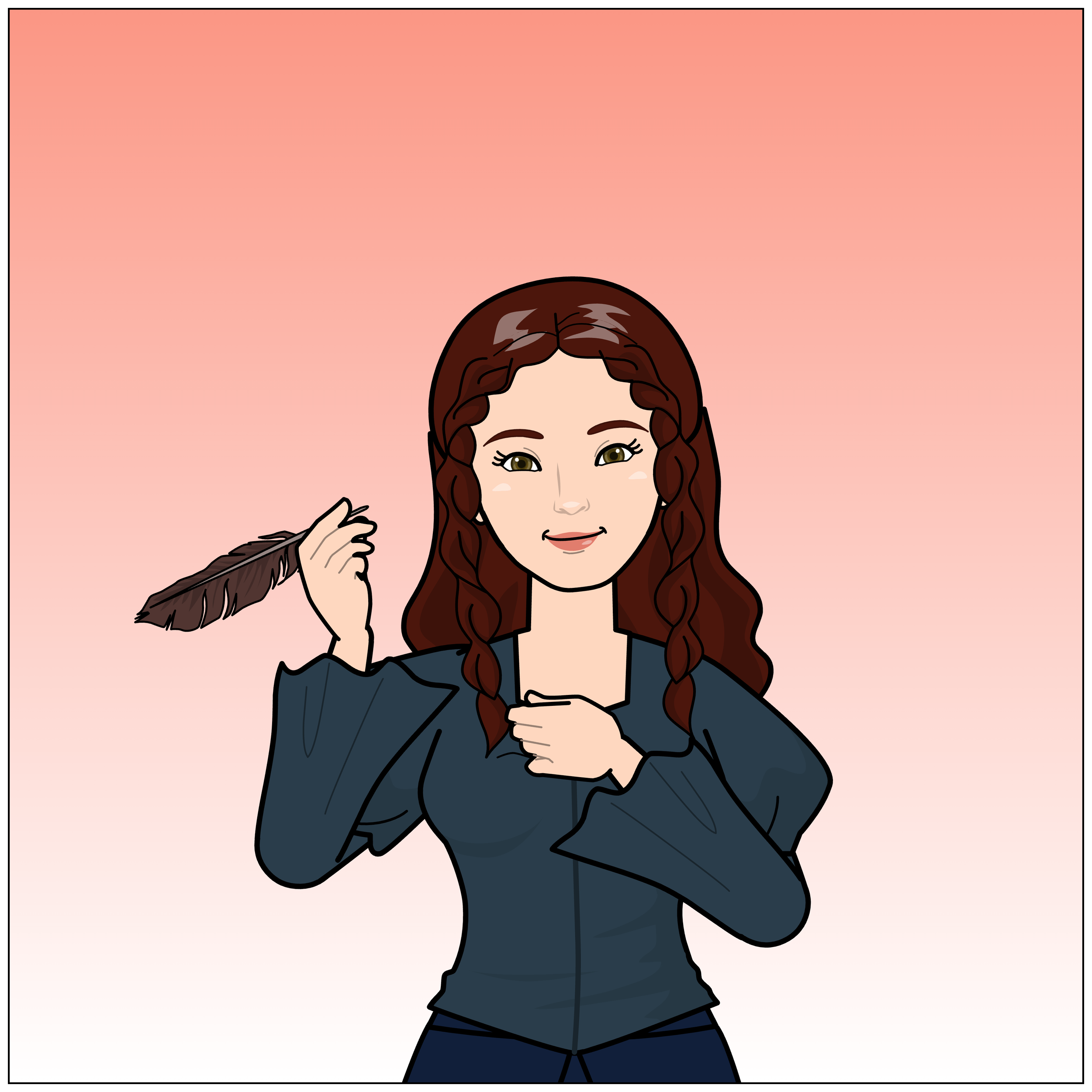
你好! I’m Hu Tai-Li!
Born: 1950
Died: 2022
Birthplace: Taipei, Taiwan
An anthropologist and filmmaker rolled into one? That’s me! I’m like a culture detective who films her discoveries for the world to see and learn! Instead of solving crimes, I use my eyes, ears, and camera to unlock the mysteries of human tradition.
As a child, I loved looking at old family photos and wondering about the stories behind them. My parents came from China, but I grew up in Taiwan. This mix of cultures showed me that everyone has a unique story to tell. I studied history at National Taiwan University, and later moved to the US to earn my Ph.D. in anthropology from the City University of New York.
In 1979 I started working as an anthropologist at a research institute in Taiwan called Academia Sinica. I also taught as a professor at National Tsing Hua University. At this time many native Taiwanese cultures, such as the Paiwan, Amis, Saisiyat, and the Yami, were becoming endangered. I did not want the world to forget them. So I visited their villages, lived among them, and recorded their stories.
To share these discoveries, I started making films. Writing books was not enough; people needed to see the ceremonies and hear the music. In my films like Voices of Orchid Island, I let the people tell their own stories directly. I founded the Taiwan International Ethnographic Film Festival in 2001 so that filmmakers from all over the world could share their cultural work. This was Asia’s first international ethnographic film festival!
I believe that understanding other cultures helps us respect each other. Through my films and writing, I wanted to show that every culture is a treasure worth protecting. I hope my work inspires you to be curious and to listen to the stories of others!
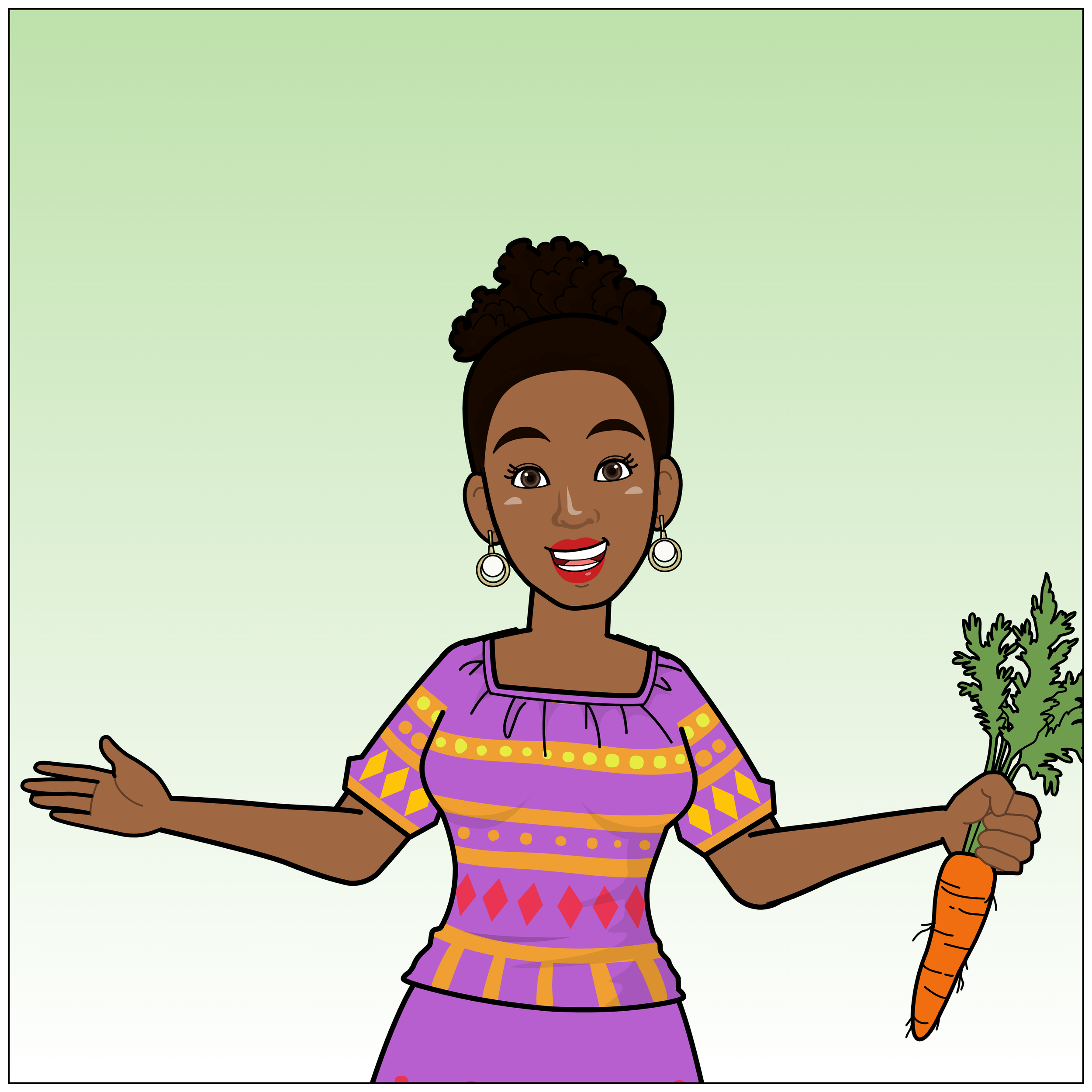
Hello! I’m Sybilla Masters!
Born: 1676
Died: 1720
Birthplace: Bermuda, British Overseas Territory
Hello, future innovators! Meet the first inventor living in the American colonies to receive English patents for her inventions!
When I was young, my family moved from Bermuda to New Jersey when it was still a British colony. Growing up in a Quaker household, I quickly learned that colonial life required a lot of grueling work.
In the 1690s, I married a merchant named Thomas Masters, and we moved to Philadelphia and raised four children. Every day, I watched women exhaust themselves grinding tough Indian corn into flour using heavy, round millstones. I knew there had to be a better way! Inspired by watching Native American women pound corn with wooden posts, I designed a brand-new machine. My invention used water-powered hammers to stamp and crush the kernels into a fine meal. I called the product "Tuscarora Rice"—though today you know it as hominy grits!
Because Pennsylvania did not offer patents to protect original ideas back then, I sailed across the Atlantic Ocean to seek one in England in 1712. While waiting for the King's approval, I kept tinkering and invented a unique way to weave straw and palmetto leaves into stylish hats and furniture. I applied for a patent for this as well, and opened a hat store in London!
King George the First finally granted my patents in 1715 and 1716. But there was a catch: because I was a woman, English law forced the patents to be issued under my husband’s name. Thankfully, Thomas made sure the paperwork officially credited me. I returned home to run our mill and lived in Philadelphia, eventually receiving patents from the colony of Pennsylvania as well. Today only 13% of U.S. patent holders are women – maybe the next big idea will be yours!
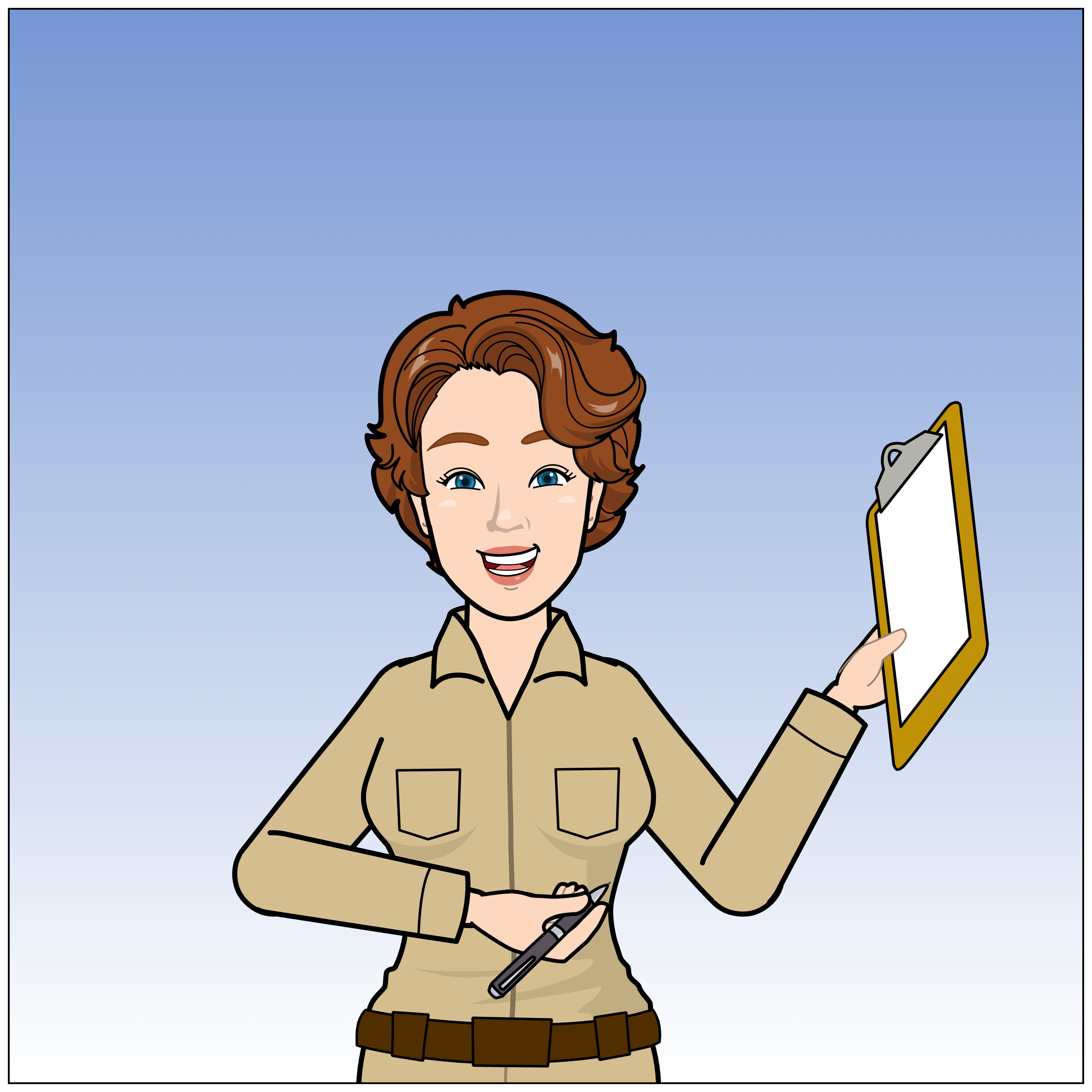
Greetings! I’m Ndoni Mcunu!
Born: 1989
Died: 2022
Birthplace: La Lucia, uMhlanga, South Africa
Do you like tracking patterns and solving complex puzzles? Climate science is like a giant math problem! I’m a climate scientist who used data and statistics to protect our planet.
I initially struggled with math as a child. However, when I was sixteen, I attended a science camp where a chemistry experiment inspired me to use science to solve real-world problems. So even though I knew I’d have to get past my fear of math, I wanted to be a scientist! I studied ecology and environmental science at university. Later, I conducted my Ph.D. research at the Global Change Institute at Wits University, focusing on agriculture, food security, and climate change adaptation.
In Africa, many farmers rely on predictable weather patterns and rainfall to grow crops. I studied how rising global temperatures, severe droughts, and shifting seasons disrupt these fragile systems. By analyzing soil health, crop yields, and environmental data, I created strategies to help farmers adapt. My goal was to protect the food supply so that communities would not suffer from hunger as the climate changes.
During my career, I noticed a problem: women, especially black women, were vastly underrepresented in STEM. To remedy this, I founded Black Women in Science (BWIS), an organization which provides mentorship, research grants, and leadership training to help young black women pursue scientific careers.
I also shared my passion through platforms like TED talks. I was named one of the Top 50 Most Inspiring Women in Tech in South Africa! My work was cut short in 2022 when I passed away at age 33. However, my legacy continues every time a student uses science to improve the world.
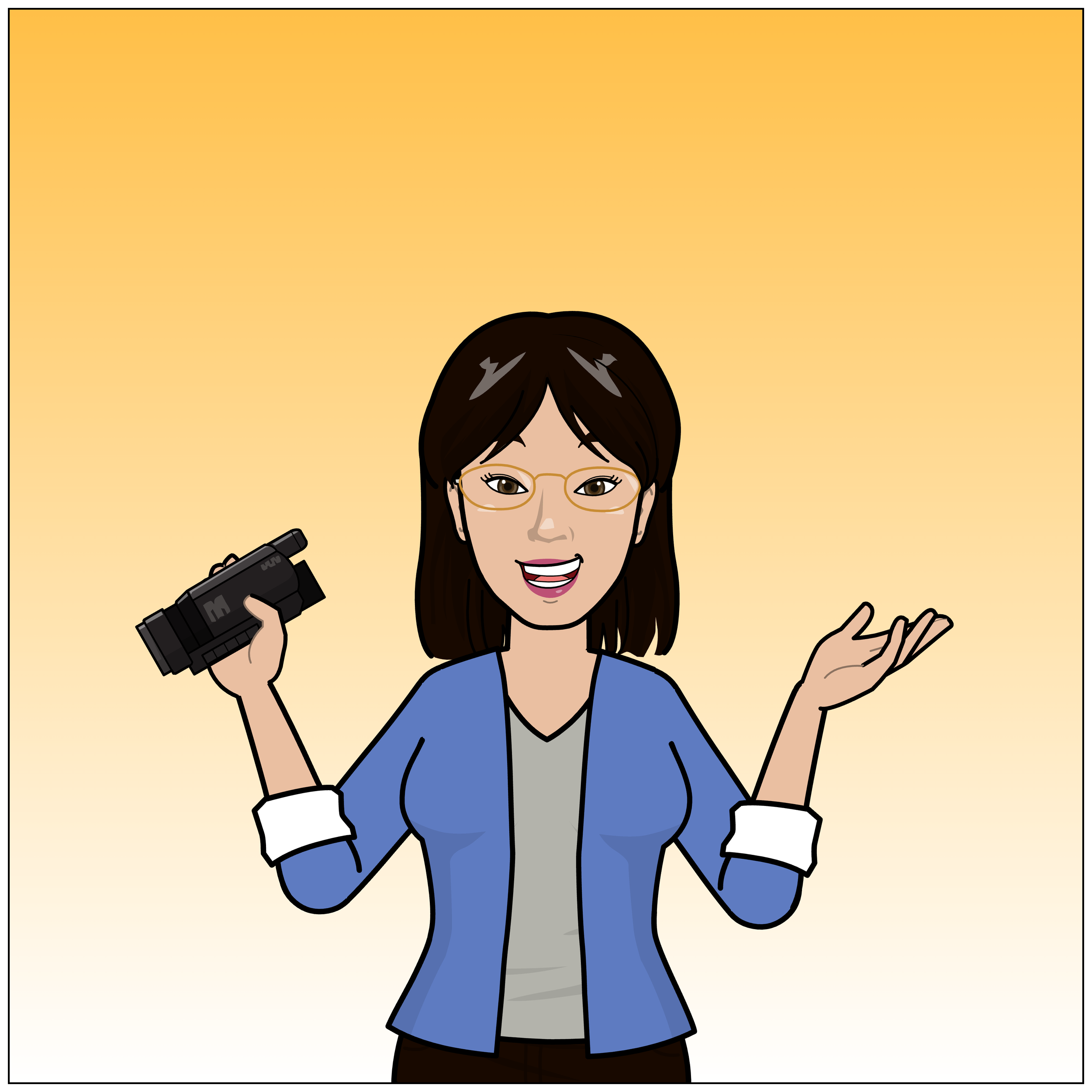
Hello! I’m Kate Webb!
Born: 1943
Died: 2007
Birthplace: Christchurch, New Zealand
I was an international war correspondent from New Zealand who spent four decades reporting from the world's most dangerous frontlines.
I grew up in Australia in a home where my family often discussed global politics. When I was 13, we lived in Europe for a year, where I fell in love with learning languages and creating art. This upbringing made me curious about the world, but also taught me to look at history with my own eyes. I started my journalism career at the Daily Mirror in Sydney, but in 1967, my curiosity carried me into the Vietnam War in Saigon.
There I worked for the American agency United Press International. The next year, when a major battle called the Tet Offensive broke out, I ran toward the danger and became the first reporter to reach the besieged U.S. Embassy in Saigon. Later, I was promoted to bureau chief in Cambodia, when women in war-zone journalism were scarce. I used my language skills and empathy to speak to locals in their own languages. In 1971 I was captured by the North Vietnamese army and survived 23 days in the jungle. That situation was so intense that news outlets mistakenly printed my obituary!
In 1985, I joined the news agency Agence France-Presse. For the next twenty years, I rushed toward the biggest stories around the world. I reported on the Gulf War in Iraq and broke the exclusive when Kim Il Sung of North Korea died. I even covered history-changing revolutions in the Philippines, Afghanistan, and East Timor, as well as the end of British rule in Hong Kong.
Today, the Kate Webb Prize honors brave journalists, showing that a curious mind and critical thinking can take you anywhere!
Read about GAIM Women from past years here!